


Weekly Highlights
This week, the Jellyfin development team gave the FOSS community a mini panic attack after three team leads announced they're leaving the organization (just a few months after implementing a controversial price increase).
Initial reactions to the resignations (driven by burnout and internal disagreements) were overwhelmingly positive, both from the community (1, 2, 3) and talking heads looking for an excuse to show off some chest hair in a sketchy hotel room. After all, passing the torch to new developers is a key tenet of successful open source projects.

But something feels off.
The announcement was shared to the community forums but not the project's official blog – suggesting it may have been a last-minute decision. It also includes an introduction that completely glosses over the departure of the project's co-founder, Andrew Rabert, whose exit seems to have kicked off the series of events:
Rabert – also the lead behind Jellyfin's official desktop client – referenced his resignation in a GitHub issue created last Friday. Citing burnout and interactions with other leadership team members (including pushback for a CLAUDE.md file in violation of Jellyfin's LLM guidelines), the co-founder shared his intentions to continue developing the client as an unofficial project where he'd be free from increasingly burdensome and restrictive guidelines.
Three days later, the forum post announcing the additional departures went up with little fanfare and no mention of any friction within the team.
It's not entirely clear (to me) how connected these events actually are. Admittedly, the timing and vagueness of the forum post suggest either broader disagreements within leadership or an attempt to brush off any negative press associated with Rabert's departure.
A follow-up personal blog post from Joshua Boniface (the now-resigned project lead) directly denies that LLM conflicts were the sole reason for his departure and offers a more detailed account behind his decision – but still doesn't explain why three influential team members walked away at the same time.
Regardless, widespread burnout and internal disagreements among key team members of a project that struggles with client fragmentation and has spent the past year trying to topple he-who-must-not-be-named isn't exactly reassuring. As usual, only time will tell.
In other news and activity:
- Codeberg is officially banning vibe coded projects from its public git platform (may I offer you Vibeberg instead?)
- Bandcamp, an online platform for indie musicians, announced a new Subsonic implementation that will allow users to stream their collections via supported clients (currently works with Amperfy, Feishin, and Submariner)
- The latest release of Vikunja (task tracking) features the platform's first-ever pro features for self-hosters looking to support the project in exchange for optional features
- Mullvad, a popular VPN in the self-hosting community, responded to backlash over a co-founder's controversial political donation
- Navidrome (music streaming) merged experimental API support that will eventually allow users to stream their music via Jellyfin clients
- CultRepo, a channel that makes documentaries about open source software, released a captivating piece on the history of Java
- Statistics for Strava, a fitness tracking platform, has been rebranded to Dreeve (existing users should manually update as the project has also migrated to a new repo)
- Jack Dorsey launched Buzz, a new chat platform and alternative to Slack
- Samsung announced they're dropping free API access to their SmartThings platform (and Home Assistant users are in shambles)
- OpenAI revealed that one of its advanced models recently compromised (hacked) a start-up's infrastructure
Happy selfh.st/ing!
Self-Host Weekly is an independent publication supported by its readers. Consider signing up or making a donation to show your support and receive exclusive member perks for your contribution!
Newswire
- Project Leadership Changes | Jellyfin
 Codeberg e.V.
 Name *
 Matthias Kerstner


 View more posts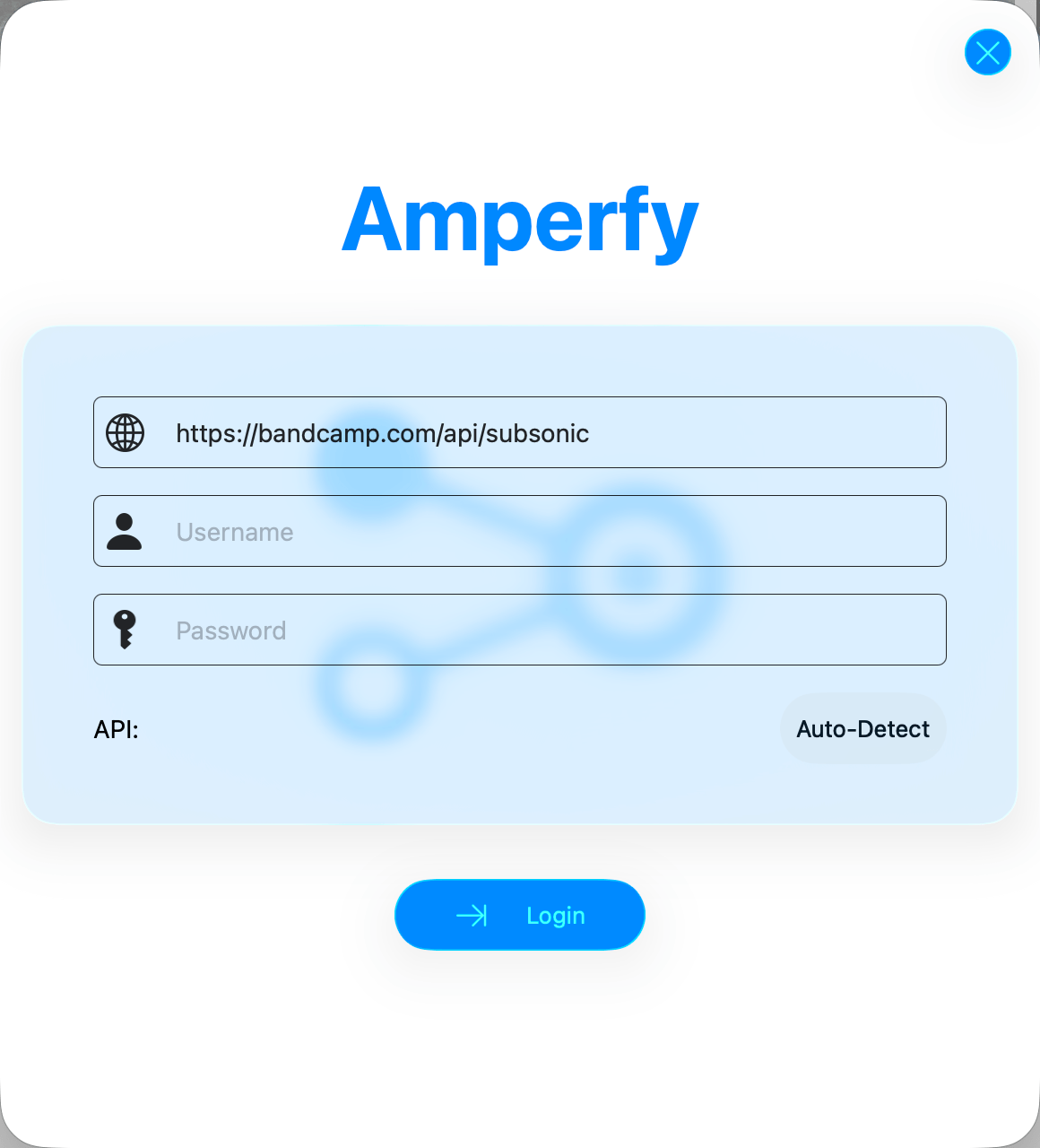
 Gordon Hollingworth
More From selfh.st
 Ethan Sholly
 Ethan Sholly
Feedback
Content Spotlight
Meet degoog, a self-hosted search engine aggregation platform. With degoog, users can query multiple search engines at once and review their results in a single location. The platform is built to be lightweight and extensible, and features support for community stores that allow users to easily install engines, plugins, transports (request methods), and themes from other users.
degoog can be easily deployed via Docker with optional support for PostgreSQL and an external memory cache (Valkey, Redis, etc.).

Links: Source Code
Overheard Online
A few seconds after I stood up a public web server, there were bots scanning for `.git` and `.env`.
Mauricio Teixeira (Mastodon)
Videos and Podcasts
- The Java Story | The Official Documentary | CultRepo
- Self-Host Game Servers: Pelican Panel Docker Setup | Servers@Home
- The Best Way to Handle Plex & Jellyfin Requests | AlienTech42
- Fixing My DNS with Technitium | Jim's Garage
Command Line Corner
Use the fold command to wrap each line of a file based on a specified number of characters when viewing the output from a display with a limited width.
By default the command wraps lines every 80 characters, which can be configured with the -w flag (-w50 for 50 characters, etc.). Adding the -s flag also ensures words are not broken as the command runs.
$ cat example.txt
Self-Host Weekly is a weekly newsletter published every Friday morning with a recap of the latest and greatest in self-hosted news, software, and content.

$ fold example.txt
Self-Host weekly is a weekly newsletter published every Friday morning with a re
cap of the latest and greatest in self-hosted news, software, and conten
t.

$ fold -w75 -s example.txt
Self-Host Weekly is a weekly newsletter published
every Friday morning with a recap of the latest
and greatest in self-hosted news, software, and
content.
Click here for an archive of commands shared in past newsletters.
Executive Sponsors
Thanks to following executive sponsors, whose continued support makes this newsletter possible:
- 1Panel – Modern, open source VPS control panel
- AFFiNE – Privacy-first knowledge base
- Atria – Event management and networking platform
- Dawarich – Location history tracking and insights
- Faved – Handcrafted minimal bookmark manager
- geekdojo – Opinionated, open source infrastructure
- Karakeep – The bookmark everything app
- Komodo – Build and deploy software across servers
- Postiz – Agentic social media scheduling
- Servers@Home – Homelab resources and community
- tirreno – Security framework
- Uncloud – Multi-node Docker Compose for production
- Wintertrace – Winter service and snow removal tracking
Submit Content
I'm always looking for new and existing self-hosted content to share in Self-Host Weekly. Submit the form below if you'd like to have your own content featured or have a suggestion for content types you'd like to see featured in future newsletters.