


Weekly Highlights
Hey selfh.st/ers! Ethan is traveling, so FoxxMD here with a guest intro for you this week.
Many of you host your own websites/apps and you may even host your own identity provider to sign into those apps, but how do you handle identity ownership outside of your network? Likely you have accounts on individual sites, or maybe you use SSO with a big provider like Google. Either way, someone else ultimately owns that account since any app using it would have to contact google.com (as an example) to verify your identity.
Wouldn't it be nice to own the whole identity stack, though? Even outside your network? Perhaps even self-host all the data for each app using that identity? Let me tell you the Good News about ATProto.
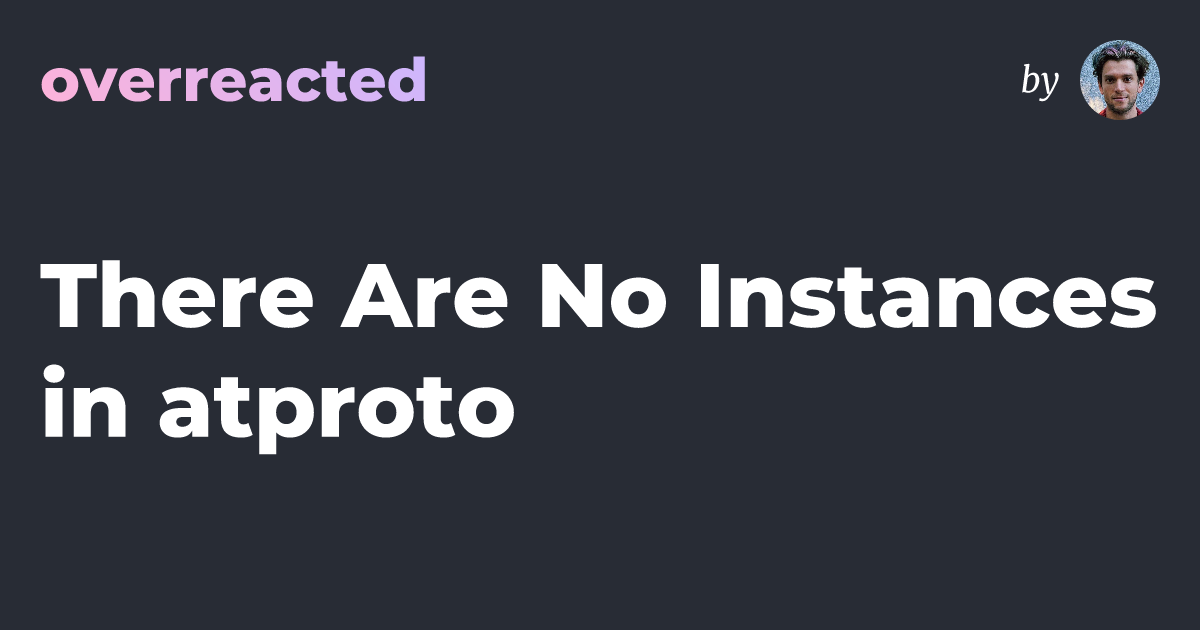
Although most commonly known for powering Bluesky, the AT Protocol is much more expansive, and agnostic, than the company that founded it. ATProto defines how to find and authenticate your identity, how and where your data is stored, and how apps consume it. Critically, each layer of the AT Protocol can be operated by independent entities (self-hosted!) and your domain is your identity.
That's right: if you own a domain, then with a few DNS records, you can own your ATProto identity, which defines where your data lives for each app that accesses it. And that data location can easily be self-hosted.
The ecosystem of apps using ATProto is larger than Bluesky, and growing rapidly. Learn more about what you can do with an (ATProto) Atmosphere Account.
In other news:
- Valve launched the Steam Machine at an eye-wateringly high $1,050 USD due to *gestures at everything*, but with the silver lining that SteamOS is publicly available and works with more hardware.
- Ryan Moulton wrote a piece on the basics of screen color space and where to find colors your screen can't show you.
- A dark wizard ported the entirety of Quake to CSS. Yes, like HTML/CSS.
- Iroh, a new application-level P2P protocol, announced v1.0.
- To no one's delight except shareholders, Micron (memory manufacturer) reported quadrupled revenue in their third fiscal quarter.
- Podman 6.0 was released.
- TREK, a batteries-included, self-hosted travel planner, got a full rewrite with v3.1.0.
- This mad lad stored an entire website in a favicon.
Happy selfh.st/ing!
Self-Host Weekly is an independent publication supported by its readers. Consider signing up or making a donation to show your support and receive exclusive member perks for your contribution!
Newswire
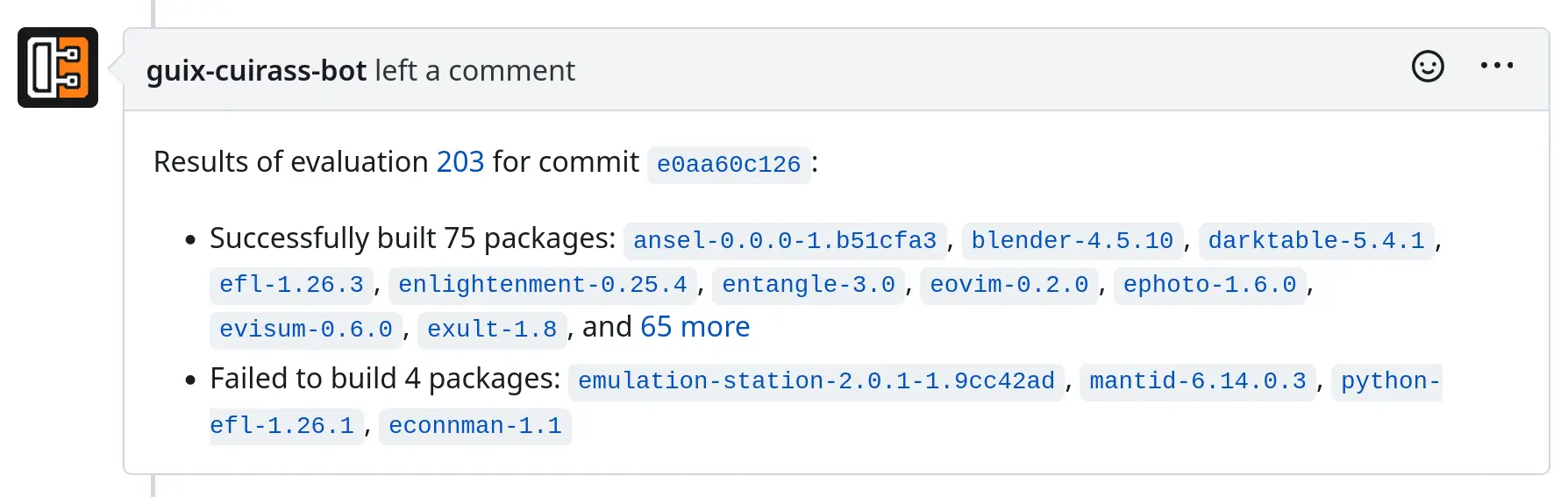
 Ingo Fischer
 Ed Zitron






Feedback
Content Spotlight
Meet Ignis, a self-hosted web app for the popular Obsidian note-taking platform. Unlike other VNC-based solutions that allow users to access their vaults from the browser, Ignis leverages Obsidian's Electron APIs to provide a semi-native web-based experience connected to a vault stored on a central server. Features include most of Obsidian's core functionality, existing community plugins (see caveats here), a custom interface for managing multiple vaults, file uploads, multi-tab workspaces, and server-side sync.
Ignis can be easily deployed via Docker and can also be used as a drop-in replacement for existing Obsidian vaults.

Links: Source Code, Demo
Videos and Podcasts
- FortiBleed: Get Your Firewall Management Interface Off the Internet Now | Lawrence Systems
- These Self-Hosted Apps Got Recommended Over and Over | NetBird
- Termix: The Free Self-Hosted Termius Alternative You NEED | Servers@Home
- Cockpit: The Easiest Way to Manage Linux Servers | Christian Lempa
- I No Longer Follow This Popular Home Lab Advice | VirtualizationHowTo
Command Line Corner
Certain popular commands (cat, grep, less, etc.) can be prefaced with the letter z to allow command line users to interact with gzip-compressed files without extracting them. This is helpful, for example, if you're reading compressed logs in a directory you don't have permissions to write/extract to.
$ cat example.txt

Self-Host
Weekly

$ gzip example.txt
$ zcat example.txt.gz

Self-Host
Weekly
Click here for an archive of commands shared in past newsletters.
Executive Sponsors
Thanks to following executive sponsors, whose continued support makes this newsletter possible:
- 1Panel – Modern, open source VPS control panel
- AFFiNE – Privacy-first knowledge base
- Atria – Event management and networking platform
- Dawarich – Location history tracking and insights
- Faved – Handcrafted minimal bookmark manager
- Komodo – Build and deploy software across servers
- Postiz – Agentic social media scheduling
- Servers@Home – Homelab resources and community
- tirreno – Security framework
- Uncloud – Multi-node Docker Compose for production
Submit Content
I'm always looking for new and existing self-hosted content to share in Self-Host Weekly. Submit the form below if you'd like to have your own content featured or have a suggestion for content types you'd like to see featured in future newsletters.